

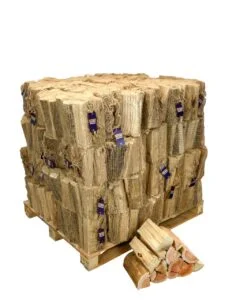
For many rural households, firewood remains a practical part of home heating because it offers flexibility, familiarity, and a dependable source of warmth during colder months. Homes in countryside locations can have different heating needs from properties in towns and cities, especially where access to certain services is more limited. A stove, fireplace, or compatible biomass system can provide useful additional heat, but getting the best from wood fuel still requires good planning, sensible storage, and an understanding of how the household actually uses energy.
Rural Homes Often Need Flexible Heating
Countryside properties can vary greatly in age, size, and insulation. Some homes heat quickly, while larger or older buildings may take longer to become comfortable. This makes flexible heating especially useful. A wood-burning stove can provide warmth in the rooms that are used most often without necessarily relying on the same heating pattern throughout the whole property.
This can be particularly practical during transitional weather, when evenings are cold but full central heating may not yet be needed throughout the day.
Storage Space Can Be an Advantage
One benefit many rural properties have is access to outdoor storage space. A shed, covered store, or purpose-built log shelter can make it easier to keep a larger fuel supply organised. However, more space does not automatically mean better storage.
Logs still need ventilation and protection from heavy rain. Keeping the stack raised above damp ground and allowing air to move around it helps preserve fuel condition.
A well-positioned store can also reduce the distance fuel needs to be carried during bad weather.
Plan for Longer Gaps Between Deliveries
Homes in more remote areas may benefit from thinking further ahead about fuel levels. Rather than waiting until supplies are almost finished, it can be helpful to monitor usage regularly and arrange deliveries before the store becomes too low. Poor weather, road conditions, or seasonal demand can make last-minute planning less convenient.
Keeping a sensible reserve can provide useful reassurance without requiring the property to hold excessive amounts of fuel. The goal is steady availability rather than simply buying as much as possible.
Pellet Systems Can Offer Another Option
Some rural households use biomass or pellet-burning systems as part of their heating setup. For suitable appliances, wood pellets can offer a consistent fuel format that works well with controlled feeding systems. Their uniform size can make storage and day-to-day handling more predictable.
However, pellet bags need to remain completely dry. A barn, garage, utility area, or dry outbuilding may provide suitable storage if there is no risk of moisture entering from roofs, walls, or floors.
Fuel Organisation Saves Time
Rural households that use wood heating frequently can benefit from a simple storage routine. Keeping older fuel accessible helps ensure it is used before newer deliveries. Separating kindling from larger logs can make stove lighting quicker, while keeping a small indoor supply reduces unnecessary trips outside.
These small organisational habits are particularly useful when weather conditions are poor. A little preparation can turn daily stove use into a straightforward routine rather than a repeated chore.
Cold Weather Can Change Consumption Quickly
Fuel use can increase sharply during prolonged cold spells. A stove that is normally lit only in the evening may begin running for much longer periods, which can reduce stored supplies faster than expected. Rural households should therefore avoid relying only on a fixed seasonal estimate.
Checking consumption every week or two gives a more accurate picture.
If fuel is being used more quickly than expected, homeowners can adjust future deliveries before the supply reaches a critical level.
Maintenance Matters in Regularly Used Systems
Frequent use places more importance on appliance care. Stoves, flues, chimneys, and pellet systems all need appropriate maintenance according to the manufacturer’s instructions and professional guidance where required. Regular cleaning can also help users notice changes in performance.
If a stove suddenly becomes harder to light, produces more residue, or burns differently from normal, the issue should not be ignored. Fuel condition, airflow, and appliance maintenance are all worth checking when performance changes.
Rural Heating Works Best With Preparation
The practical value of wood heating often comes from planning rather than from the fuel alone.
A suitable store, organised supply, realistic estimate of winter use, and well-maintained appliance all make day-to-day heating easier. Rural homes can particularly benefit from having these systems in place before harsh weather arrives. Good preparation also reduces the need for rushed decisions during the coldest periods of the year.
Conclusion
Wood fuel can remain a practical heating choice for rural homes when it is supported by sensible storage, regular stock checks, and appropriate appliance care. Countryside properties may benefit from extra storage space and flexible heating options, but they also need to plan carefully for changing weather and delivery needs. By organising supplies in advance and monitoring usage throughout winter, households can maintain a more dependable and manageable source of warmth across the colder season.